

Overview
A collaboration between the University of Hull’s Logistics Institute and key rail industry partners has led to the development and deployment of innovative digital solutions to transform the rail freight sector. These tools enhance operational efficiency, reduce environmental impact, and improve the competitiveness of rail freight against road transport. This has led to the launch of a successful spin-out company from the University Rail where.
The Challenge
The rail freight industry faces significant challenges in competing with road freight, which, despite being less sustainable, offers greater flexibility and responsiveness. To address this, the teams sought to modernise rail freight operations by introducing digital tools that improve planning, reduce emissions, and enable more dynamic logistics strategies.
Partnerships
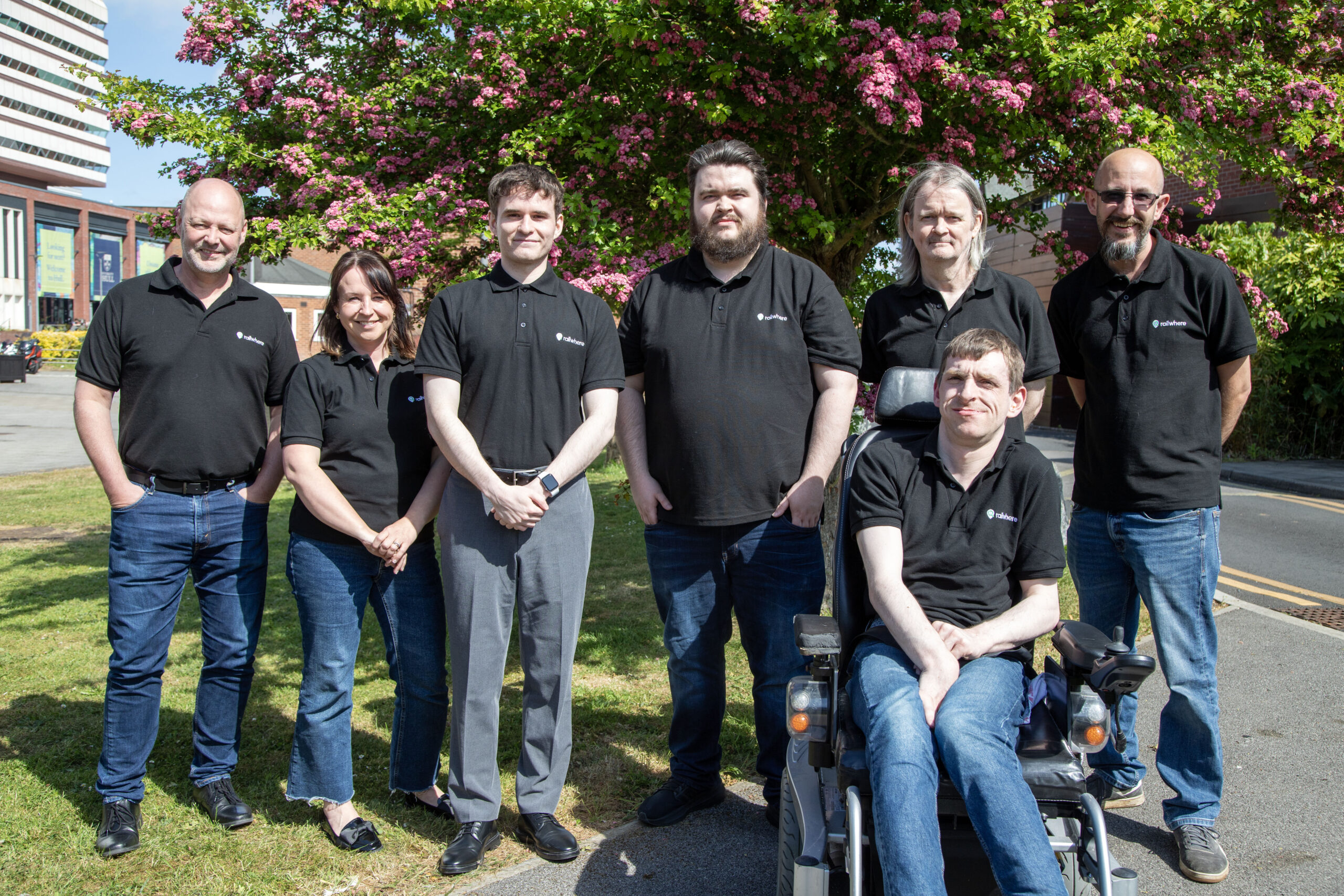
The success of this initiative was driven by strong partnerships across universities, industry, and government.
Network Rail were an instrumental partner in the development and implementation of our research and tecnhology as real-world solutions, and the Department for Transport provided vital project funding.
Major rail freight operator, Freightliner, was key in applying the tools to restructure logistics operations, while Aether Limited provided specialist expertise in emissions analysis. Innovate UK and the University of Derby also provided invaluable support and insight.
Research
The Logistics Institute started developing the first rail solution, the NR+ a digital platform for rail planning information, in 2017. It received funding from the Department of Transport in 2019 to further develop the platform. In 2021, the Institute received funding to develop the Railfreight Energy and Emissions Calculator (REEC), working with Freightliner and Aether.
Railwhere Director and Systems and Operations Manager at the Logistics Institute, Barrie Louw, ““We could have just digitised the existing tables, but we wanted to create something really fit for the future.”
In 2022, the rail solutions built in the Logistics Institute were moved to University of Hull owned subsidiary Lampada Digital Solutions to be further commercialised and developed. Lampada has managed all the software-related services for the new rail solutions since 2022, including software development and licensing.
Then, in 2023, Lampada won a Network Rail tender to develop a digital platform to maintain and use the Digital Freight Loads Books, known as DFLB. This is a formal source that determines the maximum weight and length of specific freight train configurations at any point on the rail network. DFLB represents a major step forward in modernising the way that Network Rail manages data required for rail freight planning. There are currently 600 active users of DFLB in Network Rail and across the freight operating companies.
Impact
University of Hull tools helped Freightliner to radically restructure their transportation of stone from quarries in the Mendips to the Greater London area. The system allowed them to calculate emissions, fuel usage and run times – generating recommendations that allowed significant journey time reductions of over an hour, as well as less time spent idling. Longer trains now transport more goods over fewer days, freeing up trains to run elsewhere.
The application of the rail solutions was recognised at the Rail Freight Group Awards. Freightliner won the ‘Rail Freight Project of the Year’ award for the Mendips major timetable restructuring project, which used REEC to perform the required analysis. The team also won the ‘Sustainability and Safety’ award, in recognition of working in partnership with the Logistics Institute to develop the REEC solution.
Network Rail and Lampada have most recently won the ‘Rail Team of the Year’ category at the annual Rail Staff Award, in recognition of work to develop the latest product, the Digital Freight Load Books (DFLB).
In May 2025, a new spin-out company, Railwhere, was launched from the University of Hull with the support of subsidiary company, Lampada Digital Solutions. Building on the expertise, research and insight from the Logistics Institute, the business will offer award-winning technology to support rail freight operators secure a sustainable future for their business, in challenging times for the sector.
Taken together, the digital solutions developed in partnership with Network Rail and Freightliner make rail freight faster to react and more dynamic, and bring the potential for greater reliability, aiding the industry’s competitiveness.